


 扫码立即购买
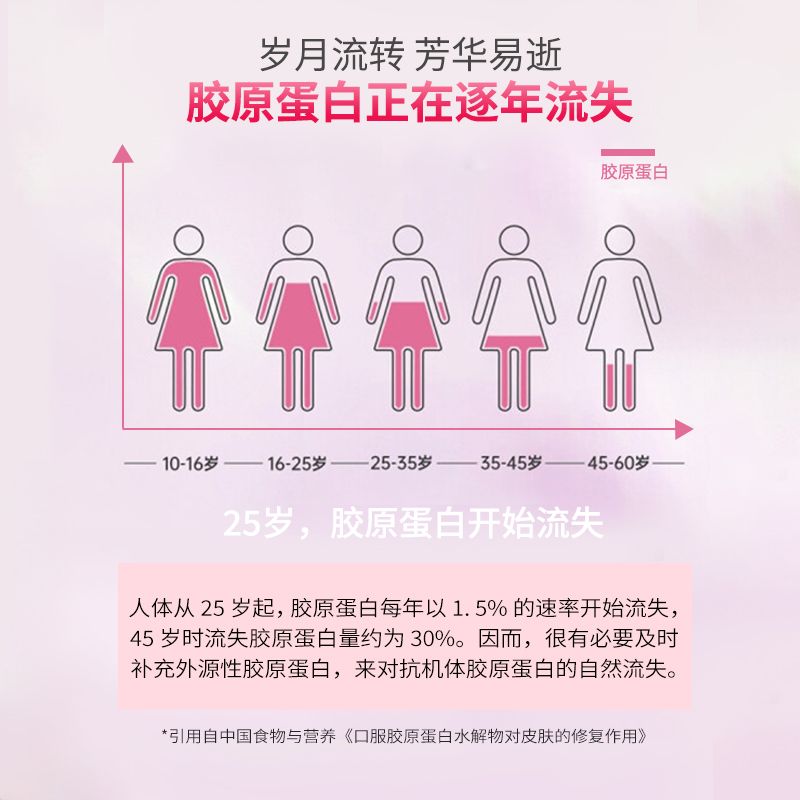
Collagen is the most abundant protein in the human body, accounting for approximately one-third of total protein. It is widely present in tissues such as skin, bones, joints, and blood vessels, serving as the "invisible pillar" that maintains the structure and function of the body. From the firmness and moisture of the skin to the smooth movement of joints, it plays a crucial role in the background, and is one of the core nutrients for health and youthfulness.
The core function of collagen
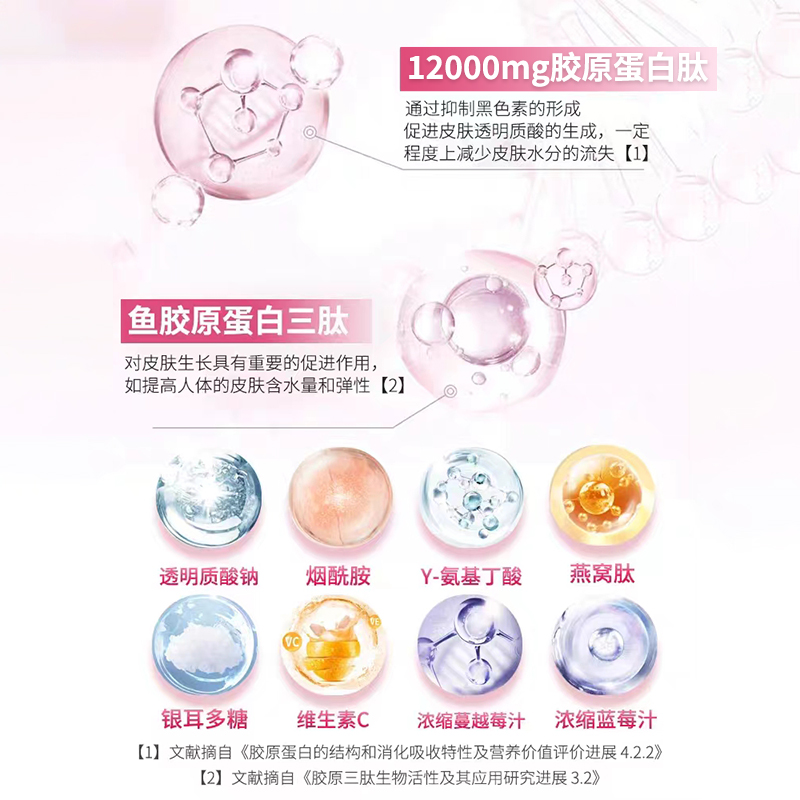
Guarding skin condition: As the main component of the dermis layer of the skin, collagen can form a network support structure, retain moisture and maintain skin elasticity. When sufficient, it can reduce fine lines, improve dryness, delay skin sagging and drooping, and keep the skin plump and moist.
Protecting joints and bones: The type II collagen in joint cartilage accounts for over 50% and can buffer bone friction; 90% of the organic matter in bones is type I collagen, providing a scaffold for calcium salt deposition and enhancing bone strength, preventing osteoporosis.
Maintaining bodily functions: It participates in maintaining the elasticity of blood vessel walls, reducing the risk of arteriosclerosis; at the same time, as a key matrix for wound repair, it can accelerate wound healing and provide support for new tissues. 02.jpg
The ways of supplementing collagen scientifically
Natural food intake: Animal connective tissues are a high-quality source, such as fish skin, beef tendons, chicken feet, etc. They have low fat content and high collagen density; although pig feet are rich in collagen, the amount should be controlled to avoid fat accumulation. Cooking methods are preferably stewing or steaming.
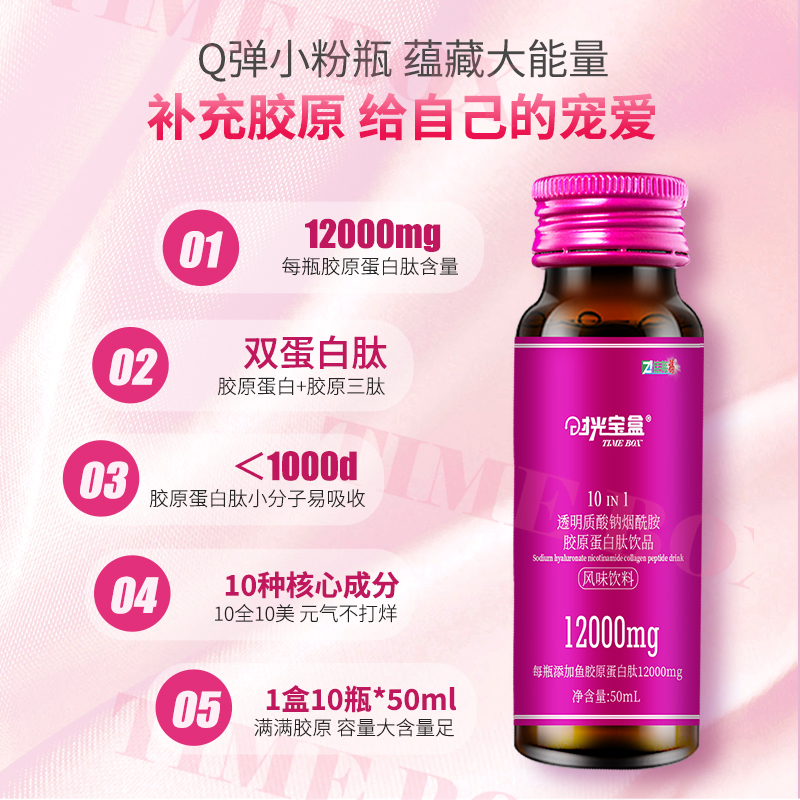
Supplement selection: Hydrolyzed collagen (collagen peptides) has a small molecular weight and an absorption rate 3-5 times that of natural collagen, making it suitable for rapid supplementation. Based on individual needs, oral liquids or powder can be chosen. Preferentially select products with high purity and no excessive additives.
Promoting self-synthesis: Vitamin C is the "catalyst" for collagen synthesis. Combining with foods rich in vitamin C such as oranges and kiwis can enhance the effect; zinc, copper elements and high-quality protein can also provide assistance for collagen synthesis. They can be supplemented through nuts, animal livers, eggs, etc.
Supplementing precautions
Control dosage: The daily intake for adults should not exceed 30 grams. Excessive intake will increase the burden on the kidneys. The intake of food and supplements should be calculated cumulatively.
Avoid high-temperature damage: Collagen is prone to degradation above 60℃. Cooking should use low heat and slow stewing. The water temperature for dissolving collagen powder should not exceed 50℃.
Rationally view the effect: Oral collagen needs to be decomposed into amino acids for synthesis. There is no "direct to the skin" effect. Usually, it takes 4-8 weeks of persistence to see improvements in skin elasticity and joint condition.

24-hour service hotline
400-123-4567
13988889999
Scan the QR code
Copyright © 2012-202X Jialiefu Co., Ltd. All rights reserved Registration Number:Guangdong ICP No. xxxxxxxx
 简体中文
简体中文